
Case study: Youth Training in the Kakuma Refugee Camp
Open Source Africa Report 2026
Kakuma Refugee Camp sits in the arid plains of Turkana County in northwestern Kenya. Established in 1992 to host unaccompanied minors fleeing war in Sudan, it has since grown into one of the largest refugee settlements in the world. The wider Kakuma-Kalobeyei area now hosts over 300,000 refugees, displaced from South Sudan, Somalia, the Democratic Republic of Congo, Burundi, Ethiopia, and elsewhere. Formal employment barely exists, and many residents are long-term refugees with limited prospects.
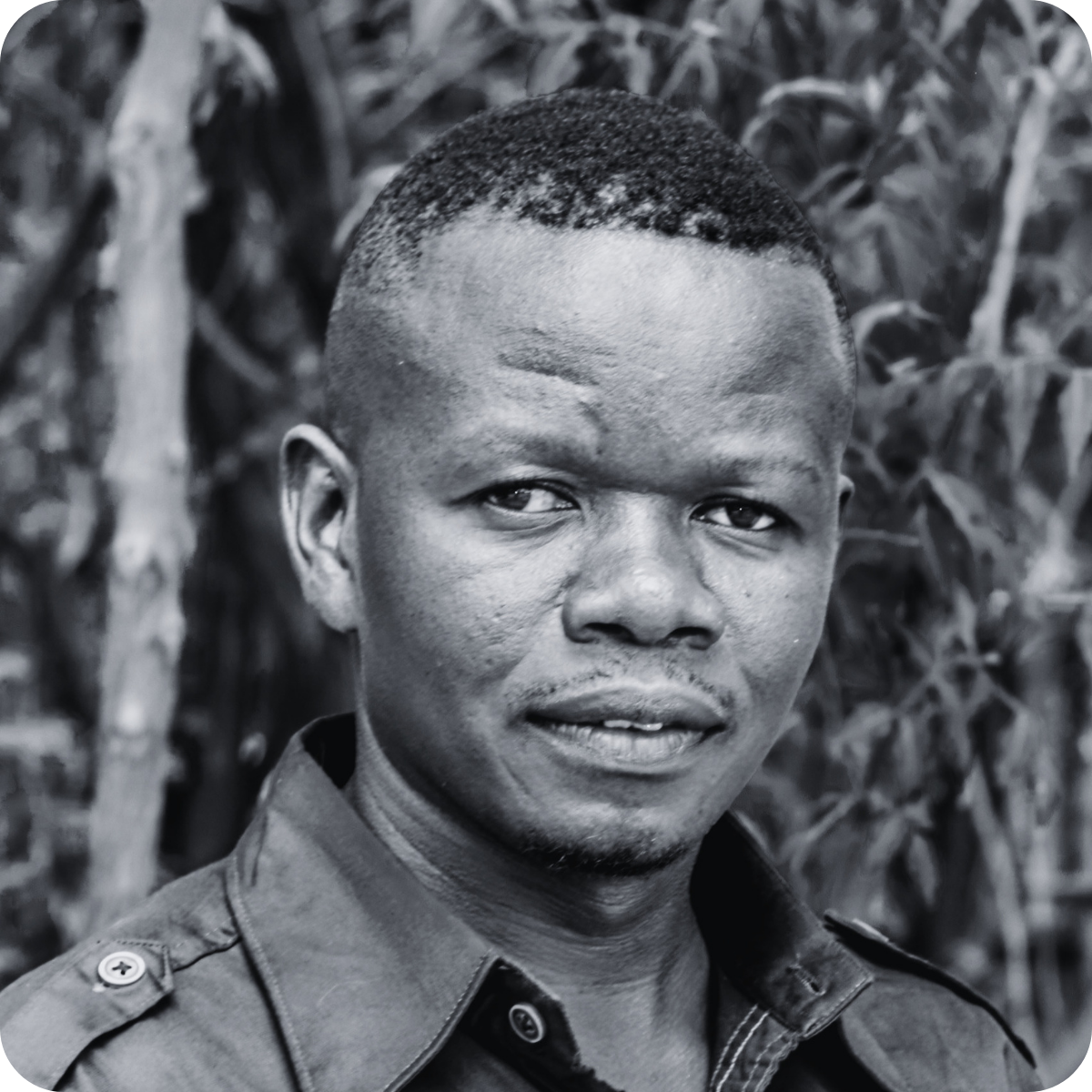
It is not an obvious place to find a coding school. But that is exactly what the Youth Education and Development Association (YEDA) has built. YEDA was founded by Ramadhani Olomwene, who came to Kakuma from the Democratic Republic of Congo after being displaced by conflict. He saw a need to support training to engage the camp’s citizens into employment and inclusion.
Ramadhani started the organisation in June 2014, initially running hairdressing and sewing machine training funded by their own member community contributions. It was registered as a Community Based Organisation (CBO) in Kenya in 2017. Over the years, it has grown into something much broader and scaled considerably. Today it also benefits from open source software.
What YEDA does
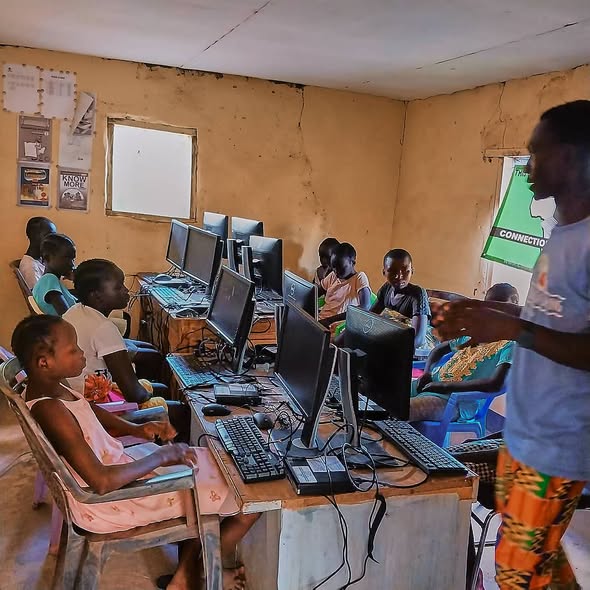
YEDA’s flagship programs today focus on tech training. It runs training in digital literacy, full-stack web development, coding, and artificial intelligence (AI). The goal is to give young refugees skills they can use to earn a living, whether through remote freelancing, online work, or building things for their own communities.
The organisation recently launched an AI training programme taking around 150 refugee youths per cohort, covering AI concepts, responsible use of AI tools, full-stack development, entrepreneurship, and problem-solving. YEDA is keen to connect this work with the wider open AI community and is looking for partnerships to do so.
Open source at the heart
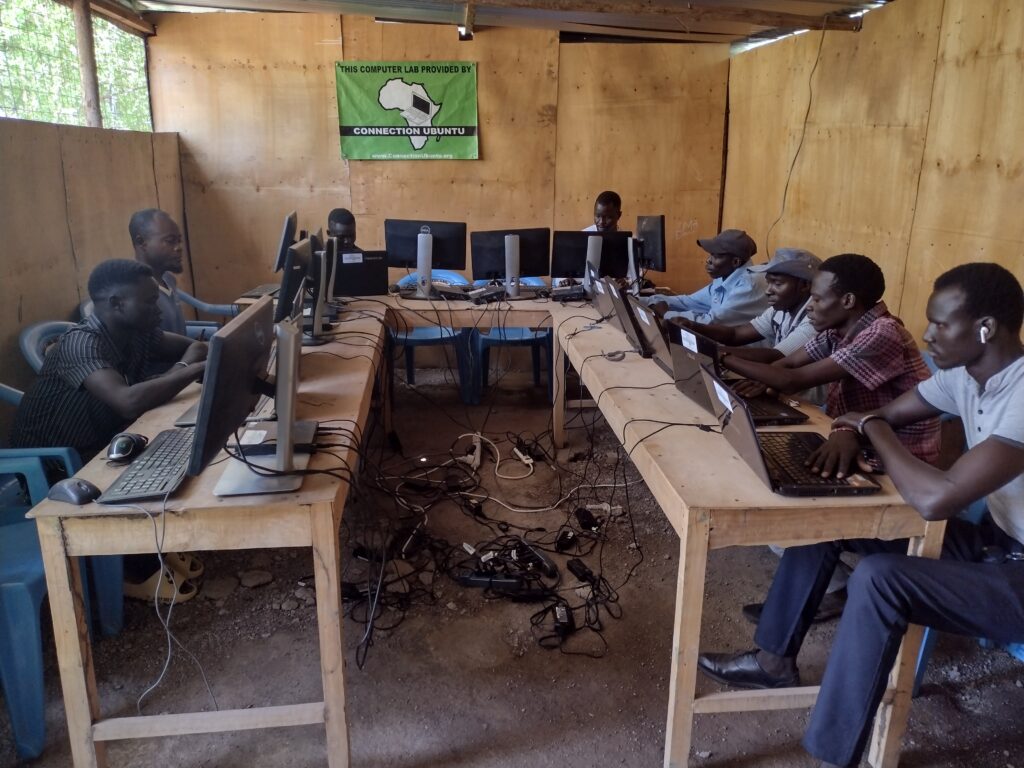
Open source software runs through YEDA’s digital training. In the full-stack development programme, learners build real applications using open source software such as React, Node.js, MongoDB – the same ones used by professional developers worldwide.
The reasons to engage with open source are partly obvious. Open source is freely accessible and money is scarce. But it goes further than cost. Open source tools connect learners to global developer communities. Its transparency enables them to study how software is built, and contribute to real projects. They have the potential to use their track record that is visible to potential employers anywhere to build a living CV. This is especially important in a refugee camp, where people are largely cut off from formal economies.
Ramadhani describes learners who arrived with no computer experience at all and went on to gain working development skills. Some now explore online earning opportunities. Others have started using their skills to run community projects within the camp.
Beyond digital skills
Tech training gets the most attention, but YEDA’s work is much wider than that. The organisation runs English language classes for children, community health training, and peace-building courses. It also runs an ICT programme specifically for girls aged 13 to 17.
YEDA has also run livelihood programs. A solar cooking project supported by partners in the United States trained women to use solar ovens, reducing fuel costs and charcoal dependence. A sewing machine training initiative for widows and young married women visibly reduced prostitution in the camp while it was running, but stalled when funding ran out. The organisation distributes tree seedlings and runs permaculture training for refugee communities.
What they need
YEDA is a community organisation with almost no resources, teaching young refugees to code using open source software. Their commitment illustrates that open source is not just a policy choice for governments and corporations, but also the default for people who simply cannot afford the alternative.
YEDA does not have enough computers. Internet connectivity is unreliable. There is no permanent classroom. Learners need mentorship from working developers, access to scholarships and internships, and pathways to remote employment.
How to help
YEDA is asking the global open source and technology communities for practical help. Hardware, funding for training programs, developer mentorship, partnerships with open source projects, and connections to remote work and internship opportunities for learners.
YEDA welcomes partnerships, donations, mentorship, and collaboration with organizations and individuals who believe in empowering refugee communities through technology and education.
People who want to support YEDA can contribute to their programs that empower refugee youth through education, technology, and innovation. To engage please reach out directly or donate.
Ramadhani Olomwene
Ramadhani is a passionate humanitarian leader and Director of YEDA, dedicated to empowering vulnerable communities in Kakuma Refugee Camp. With a strong commitment to youth development, justice, and self-reliance, he champions initiatives in education, psychosocial support, and sustainable agriculture. His leadership is rooted in resilience, innovation, and community-driven impact, helping individuals rebuild dignity and hope. Through his work, he strives to inspire change, strengthen livelihoods, and create opportunities for a brighter future. His vision is to transform challenges into pathways for growth, ensuring every voice is heard and every potential is realised.
First published by OpenUK in 2026 as part of Open Source Africa Report 2026
©OpenUK2026